What the latest White House news reveals about current politics
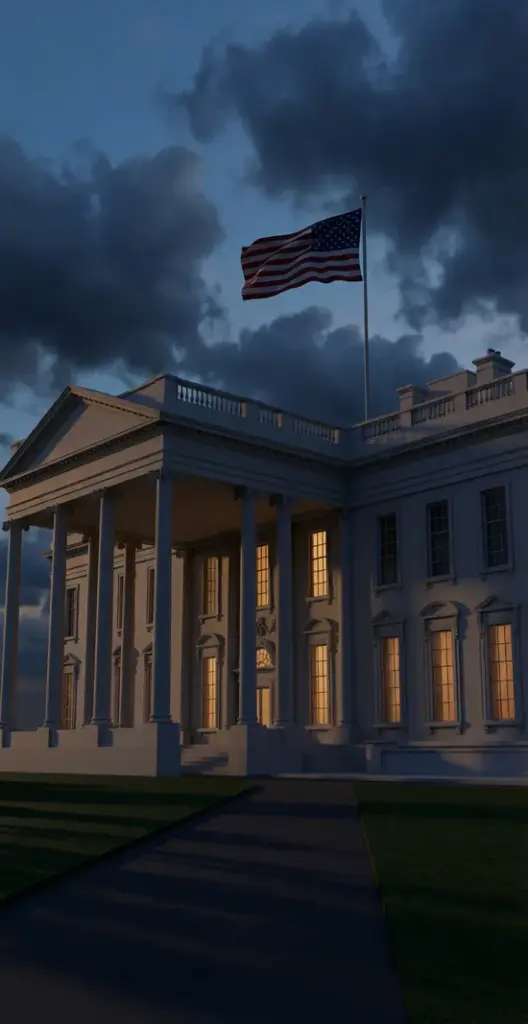
The White House serves as the epicenter of American political power, where every statement, policy decision, and personnel change sends ripples through the political landscape. Understanding the significance of останні новини з Білого дому (latest news from the White House) provides crucial insights into the direction of American politics and its broader implications for global affairs. Recent developments reveal fascinating patterns in how modern administrations navigate complex political challenges while attempting to maintain public support and legislative momentum.
Why White House Communications Shape Political Narratives
White House communications operate as the primary vehicle for shaping public perception and political discourse across America. Every press briefing, official statement, and social media post undergoes careful consideration to advance specific messaging objectives while countering opposition narratives.
The administration’s communication strategy reveals itself through timing and emphasis. When major policy announcements coincide with congressional sessions or international events, this coordination demonstrates sophisticated political choreography. Press secretaries and communications directors craft messages that simultaneously inform the public and influence media coverage, creating a feedback loop that amplifies preferred narratives.
Recent communication patterns show increased reliance on direct-to-public messaging through digital platforms, bypassing traditional media filters. This approach allows for an immediate response to criticism while maintaining message control. However, it also creates opportunities for miscommunication and requires constant monitoring of public reaction.
The effectiveness of these strategies becomes apparent through polling data and media analysis, though measuring true impact remains challenging given the complexity of modern information ecosystems.
What Recent Policy Announcements Reveal About Priorities
Policy announcements emerging from the White House provide clear indicators of administrative priorities and long-term strategic thinking. Recent executive orders and legislative proposals demonstrate a focus on domestic infrastructure, international relationships, and economic stability.
Infrastructure initiatives receive significant attention, reflecting recognition that physical and digital connectivity drives economic growth. These announcements often include specific funding allocations and implementation timelines, suggesting serious commitment rather than mere political posturing.
Foreign policy announcements reveal shifting diplomatic priorities, particularly regarding traditional allies and emerging global challenges. The administration’s approach to international agreements and trade relationships signals broader geopolitical strategies that extend beyond immediate political cycles.
Economic policy proposals address inflation concerns, employment levels, and market stability. These initiatives often generate significant debate among economists and political commentators, highlighting the complex relationship between policy intentions and real-world outcomes.
Environmental and energy policies represent another key priority area, with announcements balancing economic interests against climate commitments. This delicate positioning reflects the administration’s attempt to satisfy diverse constituencies while advancing long-term sustainability goals.
How Staff Changes Impact Political Direction
Personnel decisions within the White House administration serve as powerful indicators of policy direction and political strategy. Recent appointments, resignations, and internal reshuffles reveal significant insights into administrative priorities and challenges.
Senior staff appointments often signal shifts in policy emphasis or responses to emerging challenges. When experienced professionals join key positions, this typically indicates preparation for complex initiatives or crisis management. Conversely, unexpected departures may suggest internal disagreements or external pressures affecting decision-making processes.
The backgrounds and expertise of new appointees provide clues about future policy directions. Academic experts suggest an emphasis on evidence-based approaches, while business leaders indicate a focus on economic considerations. Military or security professionals in civilian roles often signal heightened attention to national security concerns.
Internal reshuffles within existing staff demonstrate adaptive management approaches and responses to changing political circumstances. These moves allow administrations to refresh perspectives while maintaining institutional knowledge and relationships.
Political Opposition Responses to White House Moves
Opposition party reactions to White House developments create the dynamic tension that defines American political discourse. Congressional leaders, opposition politicians, and political commentators provide alternative perspectives that shape public understanding of administrative actions.
Congressional responses vary significantly based on party affiliation and individual political positioning. Some opposition leaders focus on policy substance, offering detailed critiques and alternative proposals. Others emphasize political implications, highlighting potential electoral consequences of administrative decisions.
Bipartisan cooperation emerges around specific issues where shared interests override partisan considerations. Infrastructure projects, veterans’ affairs, and certain national security matters often generate cross-party support, demonstrating that political collaboration remains possible despite broader tensions.
Media commentary and political analysis provide additional layers of interpretation, helping citizens understand complex policy implications and political strategies. These perspectives contribute to informed public discourse while sometimes amplifying partisan divisions.
Opposition responses also influence White House communication strategies, creating feedback loops that affect future messaging and policy presentation. This dynamic interaction shapes the broader political narrative and affects public perception of governmental effectiveness.
Understanding останні новини з Білого дому requires careful analysis of these interconnected elements. Political communications, policy priorities, personnel decisions, and opposition responses combine to create the complex landscape of American governance. Staying informed about these developments helps citizens engage meaningfully with democratic processes while understanding the broader implications of political decisions for society and international relationships.